Wood roofing continues to be an important element in residential construction, offering a balance between natural aesthetics and functional performance. Its use dates back centuries, yet it remains relevant in modern architecture due to its adaptability and organic appearance. Wood roofing systems are typically constructed using shingles or shakes, each designed to provide protection while enhancing the visual character of a structure.
In urban environments, these roofing systems are appreciated for their ability to blend traditional design with contemporary building styles. Their effectiveness, however, depends on proper installation, ventilation, and ongoing maintenance to ensure durability over time.
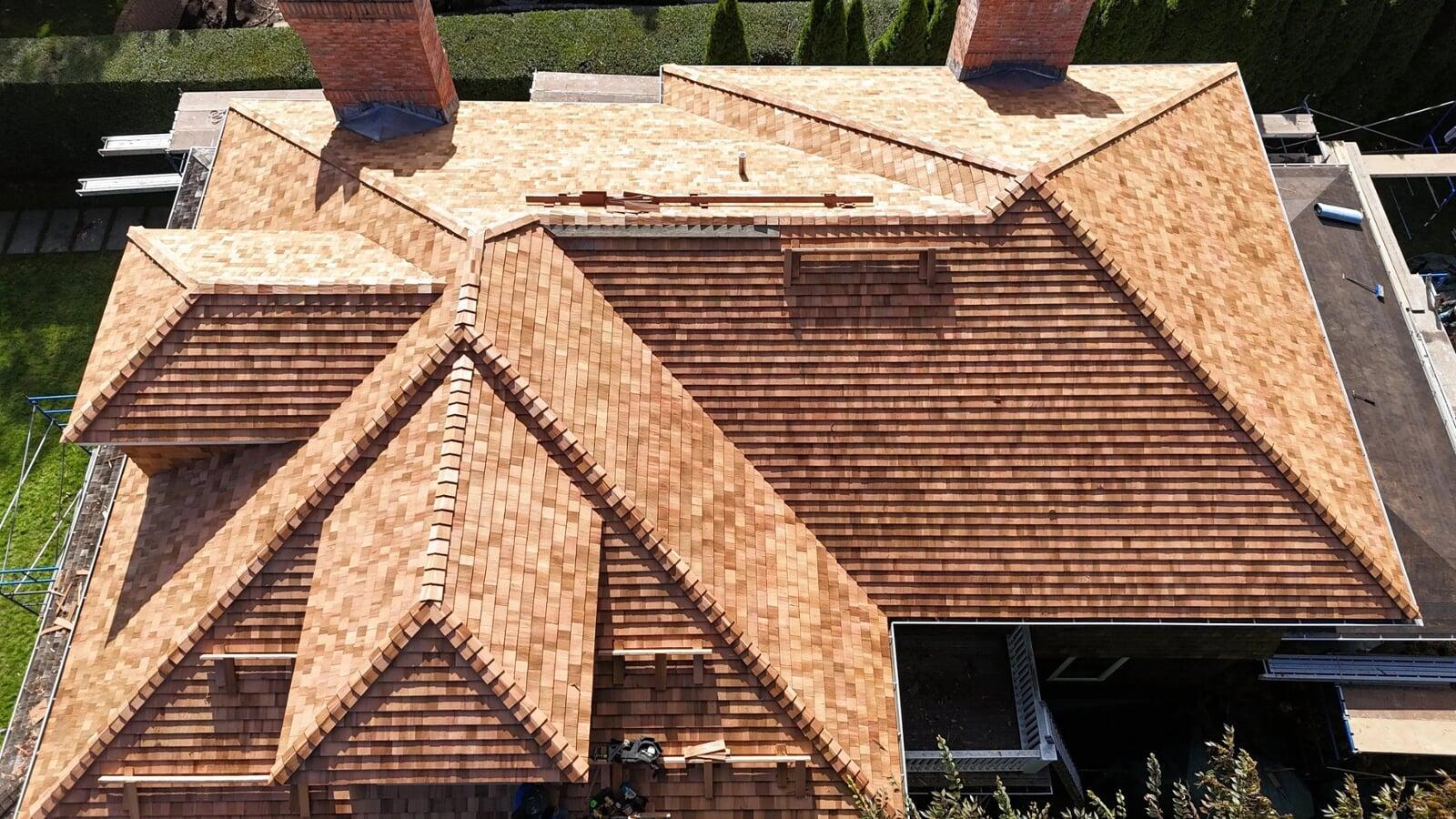
Composition and Types of Wood Roofing
Shingles vs. Shakes
Wood shingles are machine-cut, resulting in a smooth and uniform appearance. They are thinner and provide a more refined finish. In contrast, wood shakes are hand-split, giving them a thicker and more textured look that adds depth to the roof surface.
Wood Varieties Used
Different wood species are selected based on durability and environmental resistance:
- Cedar is widely used due to its natural resistance to moisture and insects
- Redwood offers stability and long-term performance
- Pine is lighter and used in specific applications
Each type contributes differently to the overall performance and lifespan of the roof.
Structural Integration and Installation Approach
The installation of wood roofing systems requires careful planning to ensure structural compatibility. The supporting framework must be strong enough to handle the load while allowing for proper airflow and moisture control.
Spacing between shingles or shakes is an essential factor. Wood naturally expands and contracts with temperature and humidity changes, so adequate spacing prevents warping and cracking. Additionally, underlayment layers are installed beneath the wood to provide an extra barrier against moisture infiltration.
Proper alignment and fastening techniques ensure that the roofing system remains secure under various environmental conditions.
Role of Ventilation in Roof Performance
Ventilation is a key component of wood roofing systems. Without sufficient airflow, moisture can become trapped beneath the roofing material, leading to potential issues such as mold, decay, and reduced structural strength.
A balanced ventilation system typically includes intake vents at the lower edges of the roof and exhaust vents near the top. This setup allows air to circulate continuously, removing excess heat and moisture from the roofing structure.
Effective ventilation not only preserves the wood but also contributes to the overall efficiency of the building.
Environmental Exposure and Weather Response
Wood roofing systems must withstand a range of environmental conditions. Their performance is influenced by exposure to moisture, sunlight, and temperature variations.
Rain and humidity can cause the wood to absorb moisture, while prolonged sun exposure may lead to drying and surface changes. Wind can also affect the stability of improperly secured materials.
To enhance resistance, protective treatments are often applied to the wood surface. These treatments help reduce the impact of environmental stress and extend the lifespan of the roofing system.
Maintenance Practices for Longevity
Maintaining a wood roofing system is essential for preserving its functionality and appearance. Regular upkeep helps prevent minor issues from developing into significant structural problems.
Inspection Routines
Frequent inspections allow for early detection of cracks, splits, or loose shingles.
Cleaning Methods
Removing debris such as leaves and dirt prevents moisture retention and reduces the risk of decay.
Surface Treatments
Applying protective coatings helps guard against moisture, insects, and UV exposure.
Localized Repairs
Damaged sections can often be replaced individually, maintaining the integrity of the overall system.
Durability and Lifespan Factors
Wood roofing offers significant design flexibility, making it suitable for various architectural styles. Its natural texture and color variations create a distinctive visual appeal that complements both traditional and modern structures.
In urban settings, wood roofing is often used to add character and contrast to surrounding buildings. Its lightweight nature also allows for easier integration into existing structures without extensive modifications.
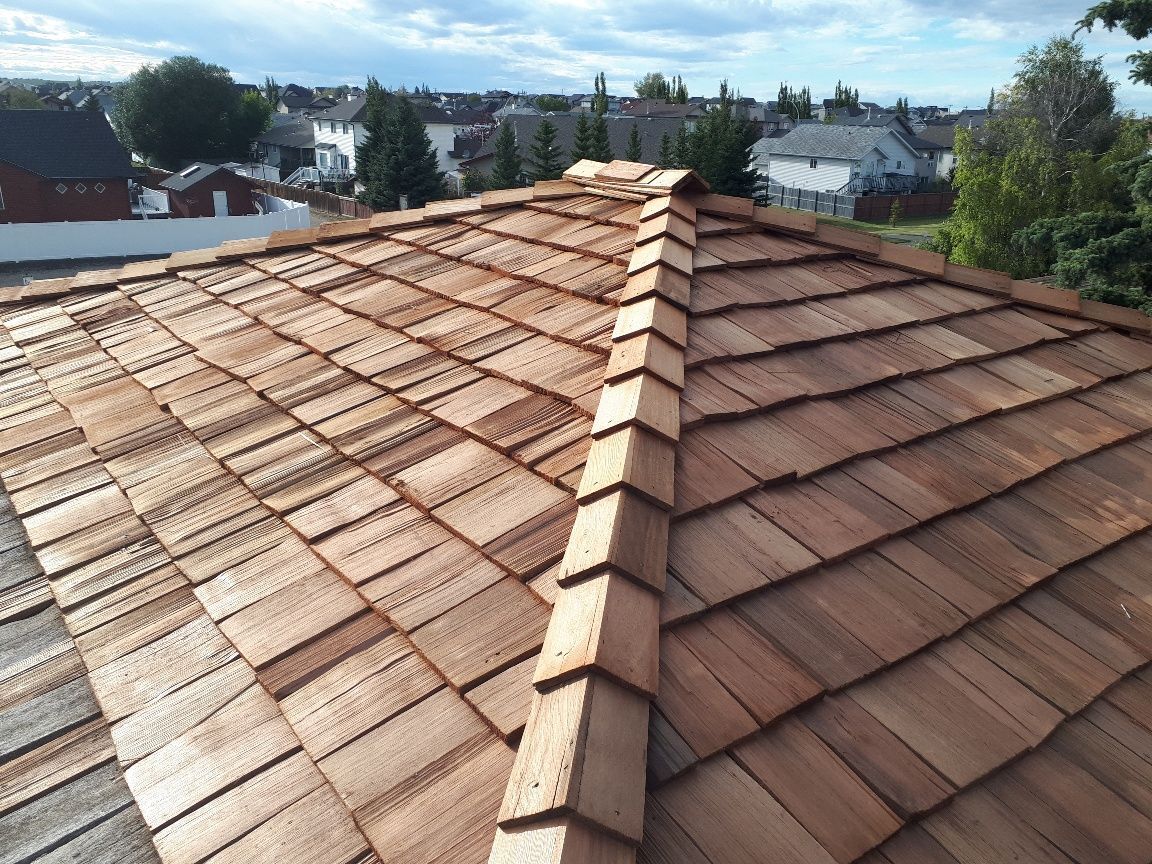
Wood Roofing Environmental Perspective
In regions with seasonal weather variations, wood roofing systems must be designed to handle both moisture and temperature fluctuations. Wood Roofing in Bronx, NY involves considerations such as proper ventilation, moisture control, and resistance to environmental stress caused by urban conditions.
These systems must be capable of adapting to periods of humidity, rainfall, and temperature changes. Proper installation and maintenance ensure that the roofing structure remains stable and functional despite these environmental challenges.
Benefits of Wood Roofing Systems
Natural Appearance
Wood provides a warm and organic look that enhances the visual appeal of a building.
Lightweight Construction
Its relatively low weight reduces structural load requirements.
Insulation Qualities
Wood offers natural thermal insulation, contributing to indoor comfort.
Adaptability
It can be used across a wide range of architectural designs.
Considerations and Limitations
Maintenance Requirements
Wood roofing requires ongoing care to maintain its performance.
Moisture Sensitivity
Without proper treatment, wood can absorb moisture and deteriorate over time.
Environmental Impact
Exposure to sunlight and weather conditions can affect durability and appearance.
Understanding these factors is essential for managing the roofing system effectively.
Conclusion
Wood roofing systems remain a valuable option in residential construction due to their combination of natural aesthetics and functional performance. Their success depends on proper installation, effective ventilation, and consistent maintenance practices.
By addressing environmental challenges and maintaining the roofing structure over time, wood roofing can provide long-lasting protection while enhancing the overall character and design of a building.