Historic buildings represent irreplaceable connections to architectural heritage, embodying construction techniques, design philosophies, and cultural values from previous eras. Preserving these structures requires specialized knowledge that balances respect for historical integrity with contemporary building performance expectations and modern usage requirements.
Property owners of historic structures face unique challenges that differ fundamentally from maintaining modern construction. Materials that performed adequately for decades now show age-related deterioration. Building systems installed generations ago no longer meet current expectations for comfort or energy efficiency. Regulatory frameworks protect architectural character while property owners seek necessary improvements to support continued use.
Understanding the principles, processes, and practical considerations of historic building preservation helps property owners navigate these complexities successfully. Whether managing an individually designated landmark or a contributing building within a historic district, informed decision-making protects architectural heritage while maintaining building functionality.
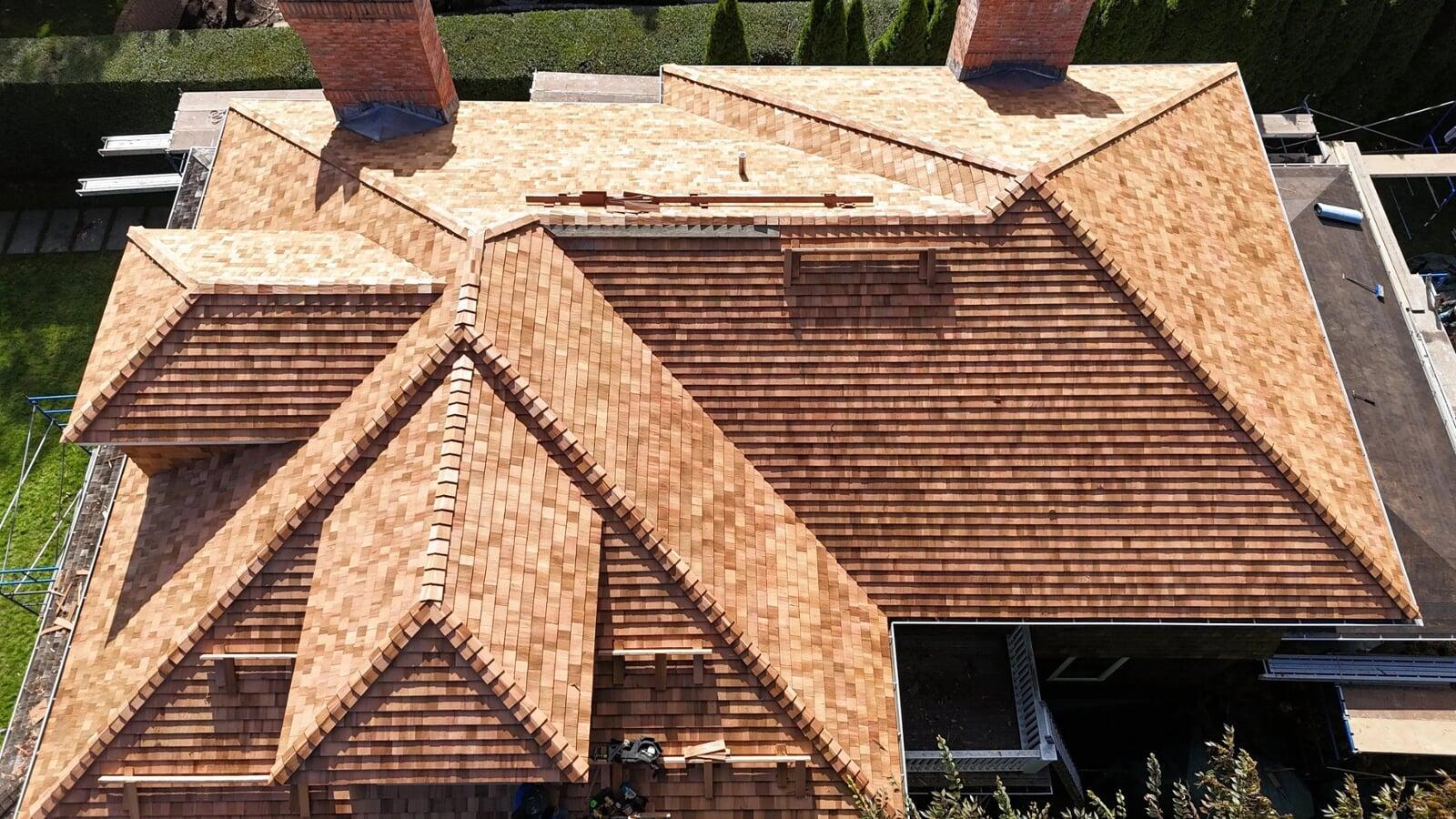
The Value Proposition of Historic Preservation
Historic building preservation delivers benefits extending beyond nostalgia or aesthetic preference. These structures provide tangible economic, environmental, and cultural value that justifies the additional care they require.
Economic Considerations
Well-maintained historic buildings often command premium market values compared to modern construction in similar locations. Architectural character, quality materials, and craftsmanship that would be cost-prohibitive to replicate today create distinctive properties that attract buyers and tenants willing to pay for uniqueness.
Preservation also supports local economies through specialized trades and suppliers. Masonry restoration, millwork reproduction, historic paint analysis, and similar services employ skilled craftspeople while maintaining traditional building trades. Materials sourcing for historic rehabilitation supports suppliers of traditional products that might otherwise disappear from the marketplace.
Tax incentives and grant programs reduce the financial burden of historic preservation. Federal historic tax credits provide substantial offsets for qualified rehabilitation expenses. Many states and localities offer additional incentives that improve project economics. Grant programs from preservation organizations help fund specific restoration work, particularly for buildings with exceptional historical or architectural significance.
Environmental Benefits
Preserving existing buildings represents the ultimate sustainable construction practice. The embodied energy in historic structures—energy consumed manufacturing materials and constructing the building—already exists. Demolition wastes this investment while generating substantial disposal waste. Rehabilitation preserves embodied energy while extending building service life.
Historic buildings often incorporate passive environmental design strategies that remain effective today. Thick masonry walls provide thermal mass that moderates temperature swings. Operable windows enable natural ventilation. Deep overhangs and architectural shading elements reduce solar heat gain. These features, designed before mechanical systems became ubiquitous, demonstrate sustainable strategies applicable to modern performance goals.
Material quality in historic construction often exceeds modern equivalents. Old-growth timber, solid brick masonry, and hand-crafted architectural elements demonstrate durability that modern materials struggle to match. Preserving these materials maintains their functional value while avoiding resource consumption required for replacement.
Cultural and Community Value
Historic buildings provide physical connections to community history and cultural identity. They anchor neighborhoods with continuity that stabilizes areas through economic cycles and demographic changes. The architectural character created by historic buildings contributes to community distinctiveness that attracts residents, businesses, and visitors.
Educational value flows from preserved historic structures. Buildings demonstrate construction techniques, architectural styles, and design evolution that no textbook fully captures. They provide tangible examples for architects, historians, and students while making history accessible to general audiences who experience historic environments firsthand.
Common Historic Building Materials and Their Characteristics
Understanding traditional building materials helps inform appropriate preservation approaches. Historic construction employed materials and techniques that differ from modern practice, requiring specialized knowledge for proper maintenance and repair.
Masonry Systems
Brick, stone, and terra cotta masonry form the primary structure of many historic buildings. Unlike modern masonry that often serves as veneer over other structural systems, historic masonry typically provides both enclosure and structural support. This dual function means masonry condition directly affects building stability.
Historic mortar differs fundamentally from modern formulations. Traditional lime mortars remain softer than the brick or stone they join, allowing mortar to sacrifice itself rather than damaging masonry units during thermal movement or settling. Modern portland cement mortars reverse this relationship, creating hard mortar that can damage softer historic brick.
Masonry deterioration follows predictable patterns. Mortar erodes first, particularly in areas experiencing water exposure or freeze-thaw cycles. Stone and brick spalling occurs where moisture penetrates porous materials, freezes, and expands. These processes accelerate when inappropriate materials or techniques compromise the masonry system's original design logic.
Historic Wood Elements
Wood serves multiple functions in historic buildings: structural framing, exterior cladding, window and door assemblies, interior trim, and decorative elements. Different wood species and cutting methods were employed based on availability, cost, and performance requirements.
Old-growth timber found in historic structures exhibits grain density and dimensional stability that modern lumber cannot match. Slow growth creates tight grain patterns with superior strength and reduced tendency to warp or twist. These qualities explain why century-old framing members often remain sound while modern lumber might fail within decades.
Wood deterioration results primarily from moisture exposure and biological attack. Rot fungi require specific moisture conditions to colonize wood. Insect damage from termites, powder post beetles, or carpenter ants compromises structural capacity. Understanding these mechanisms informs appropriate repair strategies that address causes rather than simply replacing damaged material.
Plaster and Decorative Finishes
Traditional plaster systems consist of multiple coats applied to wood or metal lath, creating monolithic surfaces with superior acoustic properties and fire resistance compared to modern gypsum board. Ornamental plaster work demonstrates craftsmanship rarely seen in contemporary construction.
Plaster failures typically manifest as cracks, delamination, or complete loss where material separates from lath. Water damage accelerates deterioration while building movement creates stress that plaster, being inflexible, cannot accommodate without cracking. Repair requires matching original materials and application techniques to maintain both performance and appearance.
Historic paint analysis reveals original color schemes while identifying lead paint requiring appropriate handling during renovation. Multiple paint layers accumulate over decades, creating archaeological records of building modifications and evolving aesthetic preferences. This information guides historically accurate restoration while informing hazardous material abatement planning.
Metal Elements
Historic buildings incorporate various metals: cast iron structural elements, wrought iron decorative work, copper roofing and flashing, steel windows, and bronze fixtures. Each metal presents distinct preservation challenges and requires material-appropriate treatment.
Corrosion represents the primary threat to historic metals. Iron and steel rust when exposed to moisture and oxygen. Galvanic corrosion occurs where dissimilar metals contact each other in the presence of water, creating electrical current that accelerates deterioration of less noble metals. Understanding these processes informs protective strategies.
Metal repair often requires specialized skills. Cast iron cannot be welded using conventional techniques; damaged elements need casting reproduction or mechanical repair. Wrought iron forgings require blacksmithing capabilities rarely found in modern construction trades. Copper work demands sheet metal fabrication expertise and traditional soldering techniques.
Regulatory Frameworks Governing Historic Buildings
Multiple levels of regulation protect historic buildings while establishing processes property owners must navigate for alterations or improvements. Understanding these frameworks helps property owners plan appropriately and avoid regulatory conflicts.
Federal Historic Preservation Programs
The National Register of Historic Places provides the foundation for federal historic preservation efforts. Buildings, structures, districts, and landscapes meeting specific criteria can be nominated for inclusion. Listing provides recognition and access to certain benefits while imposing minimal restrictions on private property owners unless federal funds or permits are involved.
Section 106 review applies when federal undertakings affect National Register properties. This process requires federal agencies to consider effects on historic properties and seek ways to avoid, minimize, or mitigate adverse impacts. Property owners typically encounter Section 106 when seeking federal permits, licenses, or financial assistance.
Federal historic tax credits incentivize rehabilitation of income-producing National Register properties. These substantial credits offset qualified rehabilitation expenses, improving project economics while ensuring work meets established standards. The Secretary of the Interior's Standards for Rehabilitation provide technical guidance that tax credit projects must follow.
State and Local Historic Preservation
Many states maintain historic preservation programs that mirror federal structures while addressing state-specific concerns. State historic tax credits supplement federal incentives in some jurisdictions. State environmental review processes might trigger historic property considerations for projects requiring state permits or funding.
Local historic preservation ordinances establish the most direct controls affecting private property owners. These laws typically create local landmarks and historic districts, establish review boards with approval authority over exterior alterations, and define processes property owners must follow before undertaking changes to designated properties.
Design Review Processes
Historic preservation commissions or similar bodies review proposed alterations to designated properties. Review criteria typically emphasize protecting character-defining features, maintaining architectural integrity, and ensuring new work demonstrates compatibility with historic character while remaining visually subordinate to original construction.
Approved alterations receive certificates of appropriateness or similar authorizations that permit work to proceed. Review timelines vary by jurisdiction and proposal complexity. Minor work qualifying for staff-level approval might be resolved quickly, while major alterations requiring public hearings take substantially longer.
Understanding what triggers review helps property owners plan appropriately. Exterior alterations visible from public ways typically require approval. Interior work generally proceeds without review unless affecting designated interior spaces. Routine maintenance using matching materials often qualifies for exceptions, while material substitutions or design changes require formal review.
Best Practices for Historic Building Maintenance
Appropriate maintenance preserves historic buildings while preventing deterioration that necessitates costly intervention. Understanding maintenance principles specific to historic construction ensures property owners protect their investments effectively.
The Gentlest Means Principle
Historic preservation philosophy emphasizes using the gentlest effective means for cleaning, repair, and intervention. Aggressive treatments that might be acceptable on modern buildings can irreversibly damage historic materials. This principle favors hand methods over mechanical equipment, chemical cleaners over abrasives, and repair over replacement.
Masonry cleaning illustrates this principle. High-pressure water washing can erode soft brick, damage mortar joints, and drive water deep into wall assemblies. Appropriate cleaning begins with the gentlest effective method—often low-pressure water and natural bristle brushes—progressively moving to stronger treatments only if gentle methods prove insufficient.
Matching Original Materials and Techniques
Successful historic building repair requires matching original materials as closely as practical. Modern substitute materials often perform differently than historic materials, creating incompatibilities that accelerate deterioration despite apparent convenience or cost savings.
Mortar replacement demonstrates material matching importance. Historic lime mortar allows moisture movement through joints while remaining softer than surrounding masonry. Portland cement repointing creates hard joints that trap moisture and can spall brick faces during freeze-thaw cycles. Proper repointing uses mortar matching original composition and strength characteristics.
Wood repair follows similar principles. Replacing deteriorated elements with same-species wood maintains consistency in grain, color, and weathering characteristics. Matching cutting orientation (vertical grain vs. flat sawn) affects dimensional stability and visual appearance. These details matter in high-visibility applications where material differences become obvious over time.
Cyclical Maintenance Programs
Establishing regular maintenance schedules prevents minor issues from becoming major problems. Annual inspections identify developing deterioration when interventions remain simple and inexpensive. Multi-year maintenance plans budget for predictable needs like exterior painting cycles, roof inspections, or gutter cleaning.
Seasonal maintenance tasks address weather-specific concerns. Spring inspections follow winter freeze-thaw cycles that might have damaged masonry or roofing. Fall preparations ensure drainage systems function before winter precipitation. Summer provides ideal conditions for exterior painting or repair work requiring extended drying times.
Documentation of Building History and Changes
Maintaining comprehensive records creates valuable resources for future maintenance and repair decisions. Photographs document existing conditions before alterations, providing references if restoration becomes necessary. Specifications and material sources for previous work inform future repairs. Construction drawings—whether original or as-built documentation from renovations—guide interventions requiring knowledge of hidden conditions.
Historic research uncovers original design intent and previous modifications. Tax photographs, building permits, newspaper articles, and similar sources reveal building evolution over time. This information helps distinguish original features from later alterations, informing appropriate preservation priorities.
Balancing Preservation with Modern Building Performance
Historic buildings must meet contemporary expectations for comfort, safety, and functionality while preserving architectural character. Achieving this balance requires thoughtful approaches that respect historic fabric while enabling continued use.
Energy Efficiency Improvements
Improving historic building energy performance faces inherent constraints. Exterior appearance limitations prevent obvious efficiency measures like vinyl replacement windows or foam sheathing. Interior character-defining features might preclude insulation installation in visible locations. These constraints require creative approaches that deliver meaningful improvements within preservation guidelines.
Insulation opportunities exist in concealed locations that don't affect character-defining features. Attic insulation, basement rim joist insulation, and wall cavity insulation in non-character-defining walls improve performance without visible impact. Air sealing addresses infiltration that often represents larger energy losses than conductive heat transfer through building envelopes.
Mechanical system upgrades deliver efficiency improvements independent of building envelope constraints. High-efficiency heating and cooling equipment, LED lighting, and smart controls reduce energy consumption regardless of historic exterior appearance. Careful equipment placement and duct routing minimize visual impact while maximizing performance benefits.
Accessibility and Code Compliance
Making historic buildings accessible to people with disabilities while preserving architectural character challenges property owners and regulators. Modern accessibility standards didn't exist when historic buildings were constructed, creating conflicts between preservation and access mandates.
Life safety code compliance presents similar challenges. Modern egress requirements, fire protection systems, and structural loading standards might conflict with historic building configurations. Building codes increasingly recognize historic building constraints through alternative compliance paths that maintain safety while acknowledging structural and spatial limitations inherent in historic construction.
Adaptive Reuse Considerations
Converting historic buildings to new uses extends their service life while preserving architectural heritage. Successful adaptive reuse identifies compatible uses that fit within existing building configurations without requiring character-destroying alterations.
Industrial buildings adapt well to residential lofts, offices, or retail uses that embrace exposed structure and open spaces. Historic schools convert to apartments where classroom layouts translate to unit plans. Churches become event venues, restaurants, or performing arts spaces that utilize distinctive architectural features.
New uses must respect historic spatial relationships and character-defining features. Inserting new elements—elevator shafts, mechanical systems, accessibility features—requires careful design that maintains historic fabric primacy while enabling functional modern use. These interventions should be reversible when feasible, allowing future restoration if circumstances change.
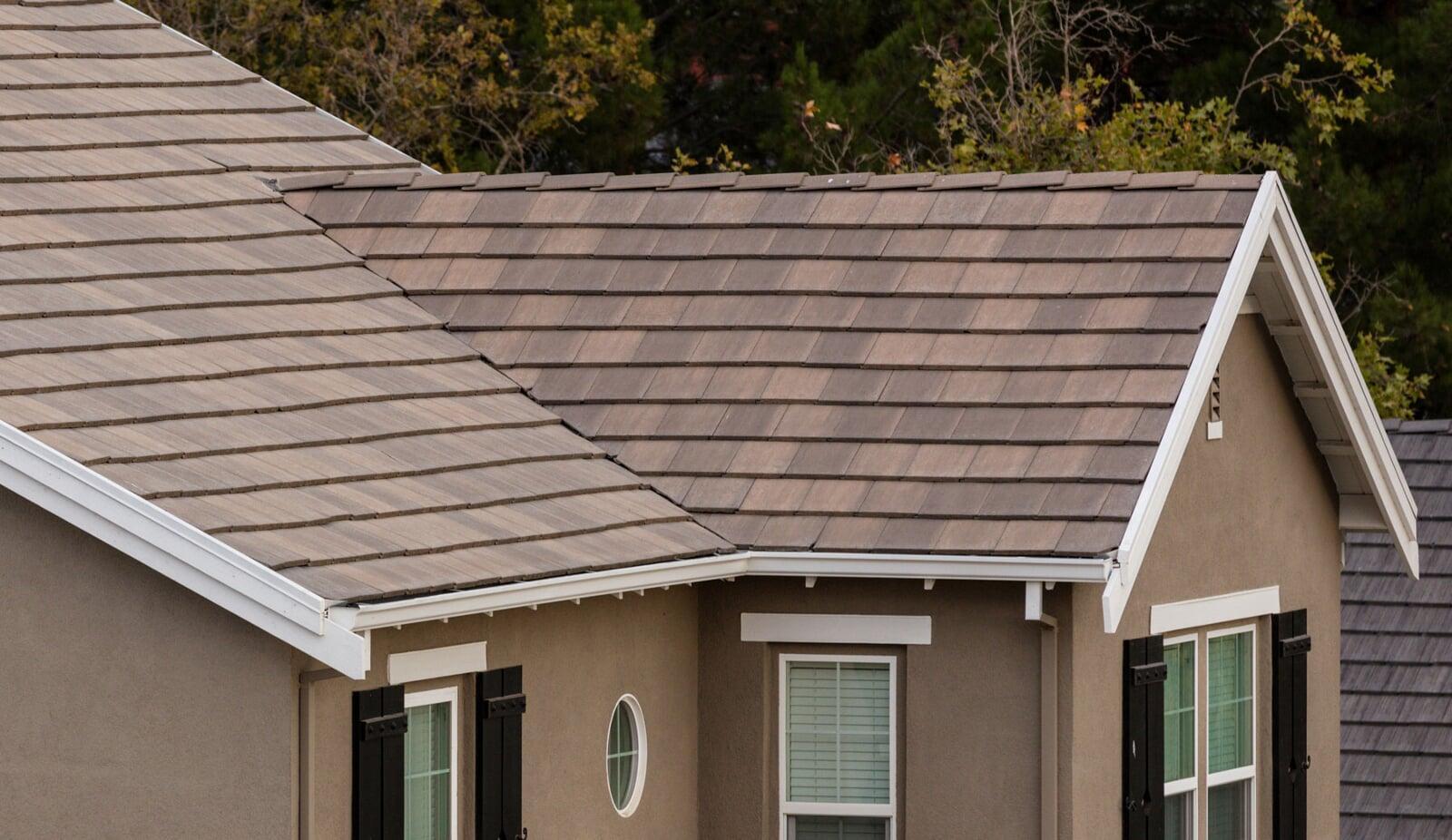
Regional Considerations in Historic Preservation
Geographic location influences both historic building characteristics and appropriate preservation approaches. Climate patterns, available materials, construction traditions, and cultural influences create regional variations in historic architecture that inform context-appropriate preservation.
Climate-Specific Deterioration Patterns
Different climates impose distinct deterioration mechanisms that affect preservation priorities. Freeze-thaw cycling in northern regions damages masonry and breaks down mortar joints. High humidity in southern climates promotes biological growth and accelerates wood deterioration. Arid regions create different moisture management challenges than wet climates.
The region's building stock reflects construction practices common throughout northeastern cities: load-bearing masonry walls, wood floor framing, slate or tile roofing, and ornamental ironwork. These systems require maintenance approaches suited to their specific characteristics and local climate conditions.
Property owners throughout Brooklyn's historic districts face common challenges: maintaining brownstone facades subject to freeze-thaw damage, preserving original wood windows in demanding climate conditions, and managing roof drainage systems that must handle substantial precipitation and periodic heavy snow loads. Regional expertise in addressing these conditions ensures preservation work proceeds using appropriate materials and methods.
Local Construction Traditions
Regional building traditions created distinctive architectural characteristics that preservation efforts must understand and respect. Local material availability, cultural preferences, and climatic responses produced regional architectural variations that contribute to community character.
Vernacular building techniques—those developed through practice rather than formal architectural training—created efficient, climatically appropriate structures using locally available materials. These traditions demonstrate sophisticated understanding of material properties and environmental responses that modern preservation honors through appropriate maintenance and repair.
Understanding regional construction history helps identify appropriate restoration targets. Buildings might have experienced multiple alteration campaigns reflecting changing styles or functional needs. Distinguishing original features from later modifications requires knowledge of regional building practices and typical alteration patterns.
Working with Preservation Professionals
Complex historic preservation projects benefit from professional expertise that property owners typically lack. Understanding various professional roles helps property owners assemble appropriate project teams.
Historic Preservation Architects
Architects specializing in historic preservation bring specific knowledge about traditional construction methods, appropriate materials, and regulatory requirements. They document existing conditions, develop preservation plans, specify appropriate repair materials and methods, and navigate regulatory review processes.
Preservation architects understand the Secretary of the Interior's Standards for Rehabilitation and similar guidelines that govern historic preservation work. They design interventions that respect historic character while enabling necessary functional improvements. Their experience with regulatory processes helps secure required approvals efficiently.
Specialized Contractors and Craftspeople
Historic preservation work requires contractors with specific expertise in traditional materials and methods. Masonry restoration, historic window repair, decorative plaster work, and similar specialties demand skills rarely needed in modern construction.
Quality preservation contractors understand traditional construction logic and material behaviors. They recognize appropriate repair techniques and know when replacement becomes necessary versus repair remaining feasible. Their experience prevents common mistakes that well-intentioned but inexperienced contractors might make.
Finding qualified preservation contractors requires research beyond typical contractor selection processes. Professional preservation organizations maintain directories of qualified practitioners. Previous project references demonstrate capabilities while revealing communication styles and reliability. Portfolio review shows work quality and project complexity experience.
Preservation Consultants
Various consulting specialties support historic preservation projects. Historic paint analysis identifies original color schemes. Mortar analysis determines appropriate repointing specifications. Structural engineers assess historic systems and design compatible reinforcement. These specialists provide technical expertise that informs appropriate preservation approaches.
Conclusion
Historic building preservation requires balancing respect for architectural heritage with practical realities of continued use and modern performance expectations. Success depends on understanding historic materials and construction methods, navigating regulatory frameworks appropriately, implementing gentle and appropriate maintenance practices, and working with qualified professionals who bring specialized preservation expertise.
The investment in proper historic preservation generates returns through sustained property values, environmental sustainability, community character preservation, and cultural heritage maintenance. These benefits extend beyond individual property owners to serve broader community interests while honoring architectural legacies from previous generations.
Whether managing an individually landmarked building or a contributing structure within a historic district, informed property ownership recognizes preservation responsibilities while understanding available resources, regulatory requirements, and technical approaches that enable successful stewardship of irreplaceable historic resources.