Structural Design and Load Distribution Principles
A flat roof is not truly flat; it is constructed with a slight gradient to facilitate water runoff. This small but essential design feature prevents water pooling, which can lead to leaks and long-term structural damage.
Load distribution is a critical engineering aspect. The roof must support dead loads (its own weight), live loads (temporary weight such as maintenance workers), and environmental loads (rain, wind, and in some regions, snow). Engineers design support systems such as beams, joists, and decking materials to evenly distribute these forces across the structure.
Proper reinforcement ensures that the roof maintains its integrity over time without sagging or cracking under pressure.
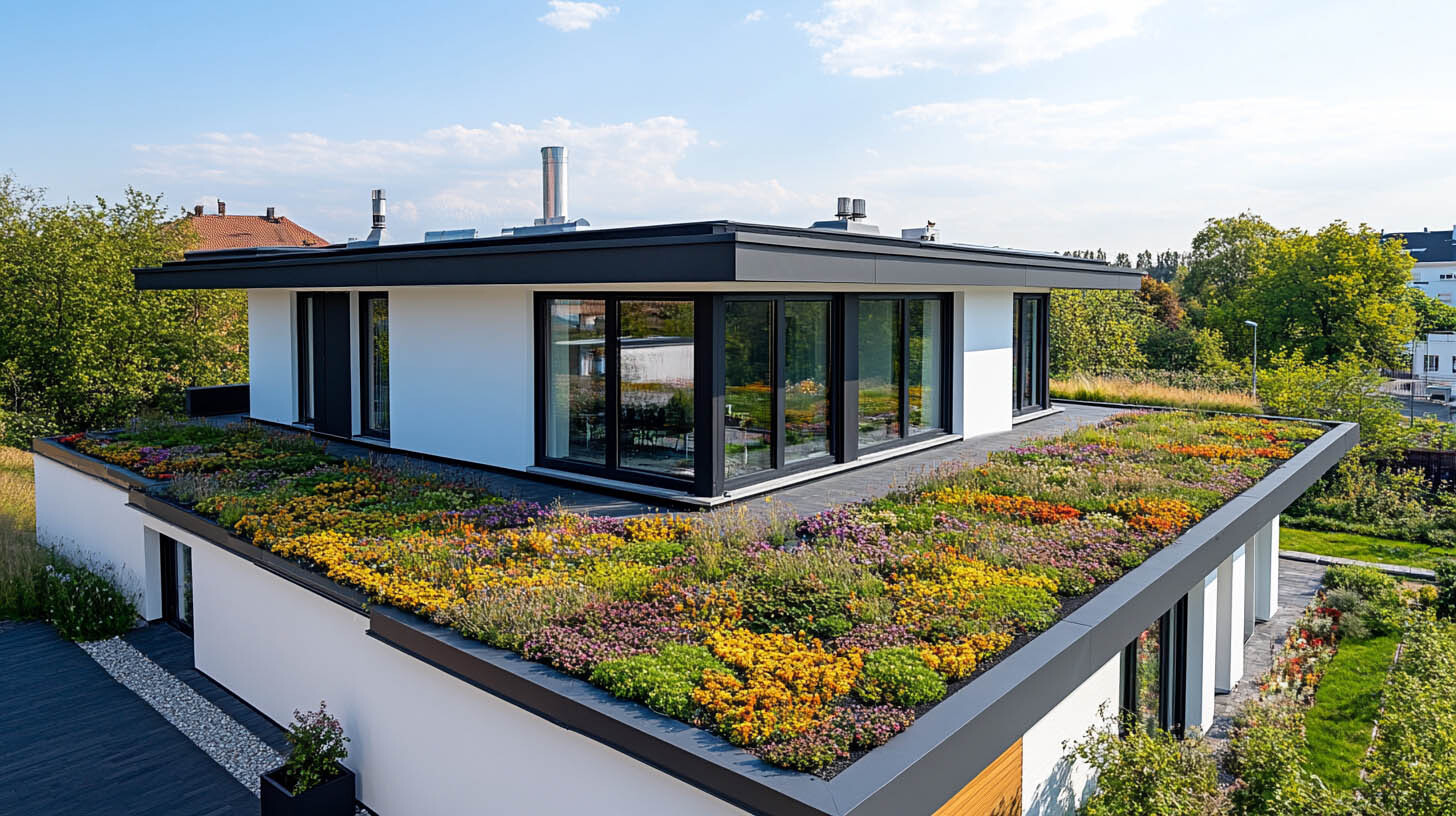
Waterproofing Layers and Moisture Protection
Waterproofing is one of the most important elements in flat roofing systems. Since the surface is not steep, water drainage is slower compared to sloped roofs, making protection against moisture infiltration essential.
Typically, multiple protective layers are used:
- Vapor barriers to prevent internal moisture from rising into the roof structure
- Insulation boards for thermal control
- Waterproof membranes to block external water penetration
- Protective top coatings for UV and weather resistance
These layers work together to form a continuous protective barrier that safeguards the building from leaks and moisture-related damage.
Common Roofing Materials Used in Flat Systems
Different materials are used in flat roofing depending on environmental conditions, budget considerations, and structural requirements.
Thermoplastic Roofing Systems
These include TPO and PVC membranes, known for their heat-welded seams and reflective surfaces that improve energy efficiency.
EPDM Rubber Membranes
EPDM is a flexible synthetic rubber that performs well under temperature fluctuations and offers long-term durability.
Modified Bitumen Roofing
This system combines asphalt with reinforcing polymers, providing layered protection and strong resistance to weathering.
Built-Up Roofing Systems
Built-up roofing consists of multiple layers of bitumen and fabric, creating a thick and highly durable waterproof surface.
Each system offers different benefits, but all are designed to enhance protection and longevity.
Drainage Systems and Water Flow Management
Effective drainage is essential in flat roof construction. Without proper water management, even small amounts of standing water can cause deterioration over time.
Drainage systems typically include:
- Internal drains connected to plumbing systems
- Scuppers that allow water to exit through exterior walls
- Gutters and downspouts for edge drainage
The roof surface is also designed with subtle slopes directing water toward these drainage points, ensuring efficient runoff during rainfall.
Thermal Performance and Energy Efficiency
Flat roofs contribute significantly to a building’s energy performance. Insulation layers installed beneath the roofing membrane help regulate indoor temperatures by reducing heat transfer.
Reflective roofing materials can also reduce heat absorption from sunlight. This helps maintain cooler indoor environments during hot weather and reduces reliance on mechanical cooling systems.
In colder climates, insulation prevents heat loss, improving overall energy efficiency throughout the year.
Installation Stages and Construction Workflow
The installation process of a flat roof involves several carefully coordinated stages.
First, the structural base is prepared and inspected for stability. Any damaged sections are repaired before proceeding.
Next, insulation layers are installed to enhance thermal performance. After insulation, the waterproof membrane is applied using methods such as adhesion, mechanical fastening, or heat welding depending on the material used.
Seams are carefully sealed to eliminate weak points where water could enter. Drainage components are then integrated into the system, ensuring proper water flow.
Finally, a detailed inspection is conducted to verify that all layers are properly installed and functioning as intended.
Weather Resistance and Environmental Adaptability
Flat roofs must withstand a variety of environmental conditions, including rain, wind, heat, and temperature fluctuations.
Heavy rainfall can test drainage efficiency, making proper slope design essential. Wind resistance is achieved through secure fastening systems that prevent uplift during storms.
UV exposure can degrade roofing materials over time, so reflective coatings and UV-resistant membranes are often used to extend durability. Temperature changes also cause expansion and contraction, which is why flexible materials are preferred.
Maintenance Requirements and Inspection Practices
Regular maintenance is crucial for extending the lifespan of flat roofing systems. Routine inspections help detect early signs of wear, such as small cracks, seam separation, or drainage blockages.
Maintenance practices include:
- Clearing debris from the roof surface
- Checking for ponding water
- Inspecting seals and flashing around edges
- Evaluating membrane condition after severe weather
Preventive maintenance reduces the risk of major structural issues and helps maintain long-term performance.
Lifespan Expectations and Durability Factors
The lifespan of a flat roof depends on material quality, installation accuracy, and maintenance frequency. High-quality systems can last several decades when properly maintained.
Durability is influenced by environmental exposure, structural design, and the effectiveness of waterproofing layers. Regular upkeep plays a significant role in ensuring that the system remains functional and resistant to wear over time.
Urban Development and Functional Use Cases
Flat roofs are commonly used in urban construction due to their practicality and space efficiency. They allow for maximum building height utilization while minimizing roof slope requirements.
In many modern structures, flat roofs are also used for additional purposes such as housing mechanical equipment, supporting solar panels, or creating usable outdoor spaces. Their versatility makes them suitable for a wide range of architectural applications.
Regional Construction Considerations
In different geographic regions, flat roofing systems must be adapted to local climate conditions. Areas with heavy rainfall require enhanced drainage systems, while regions with intense sunlight benefit from reflective roofing materials.
Temperature variations also influence material selection, as roofing systems must be able to expand and contract without damage. These environmental factors are critical in determining the long-term performance of any flat roof structure.
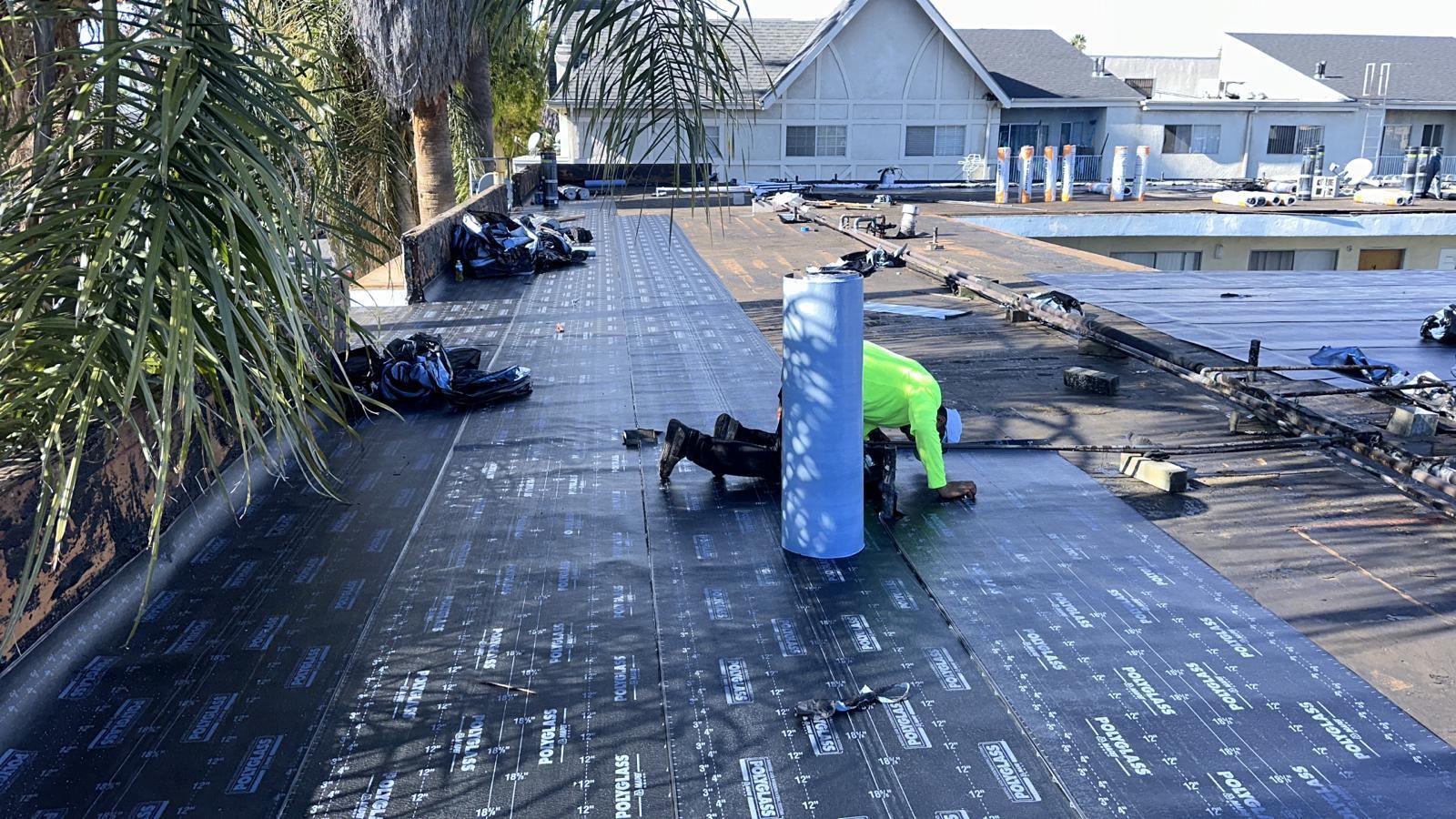
Flat Roof Installation Environmental Factors
In climates with seasonal variability and occasional extreme weather conditions, Flat Roof Installation Oklahoma City, OK requires careful consideration of both material performance and drainage efficiency. Roofing systems in such environments must be capable of handling heavy rain events, high summer temperatures, and occasional storm conditions while maintaining structural stability.
Proper insulation and waterproofing layers become especially important in these settings, as they help regulate temperature changes and prevent moisture infiltration. Additionally, ensuring a well-designed slope toward drainage points is essential to prevent water accumulation during periods of heavy rainfall.
Long-Term Performance and Structural Reliability
When properly designed and maintained, flat roofing systems provide long-term structural reliability and consistent performance. Their layered construction ensures protection against moisture, temperature changes, and environmental stress.
Their adaptability, combined with modern material advancements, allows them to meet the demands of both residential and commercial construction. With proper planning and maintenance, flat roofs remain a dependable solution in modern building design.
Conclusion
Flat roofing systems continue to play an important role in modern construction due to their efficiency, adaptability, and structural advantages. From material selection and waterproofing techniques to drainage design and maintenance practices, every component contributes to overall performance.
With proper engineering and care, these systems provide long-lasting protection and functional benefits across a wide range of building types and environmental conditions.