Maintaining a property involves more than routine upkeep—it requires a thoughtful balance between protecting the structure and managing the surrounding outdoor environment. Two essential aspects that contribute to long-term property performance are moisture control and landscape planning. While they serve different purposes, both play a critical role in preserving durability, stability, and usability.
By understanding how these systems function individually and together, property owners can better manage their spaces and reduce the risk of long-term damage.
Why Moisture Control Is Essential for Structural Stability
Buildings are constantly exposed to environmental elements such as rainfall, humidity, and temperature fluctuations. Over time, these factors can weaken structural components if moisture is allowed to penetrate vulnerable areas.
Common Risks of Moisture Intrusion
- Foundation cracks and weakening
- Mold and mildew growth
- Deterioration of building materials
- Reduced indoor air quality
Even small amounts of water entering the structure can gradually lead to larger issues, making early prevention essential.
Methods Used to Manage Water Intrusion
Moisture control systems are designed to prevent water from entering critical parts of a building. These systems often combine multiple techniques to create a protective barrier.
Common Techniques Include
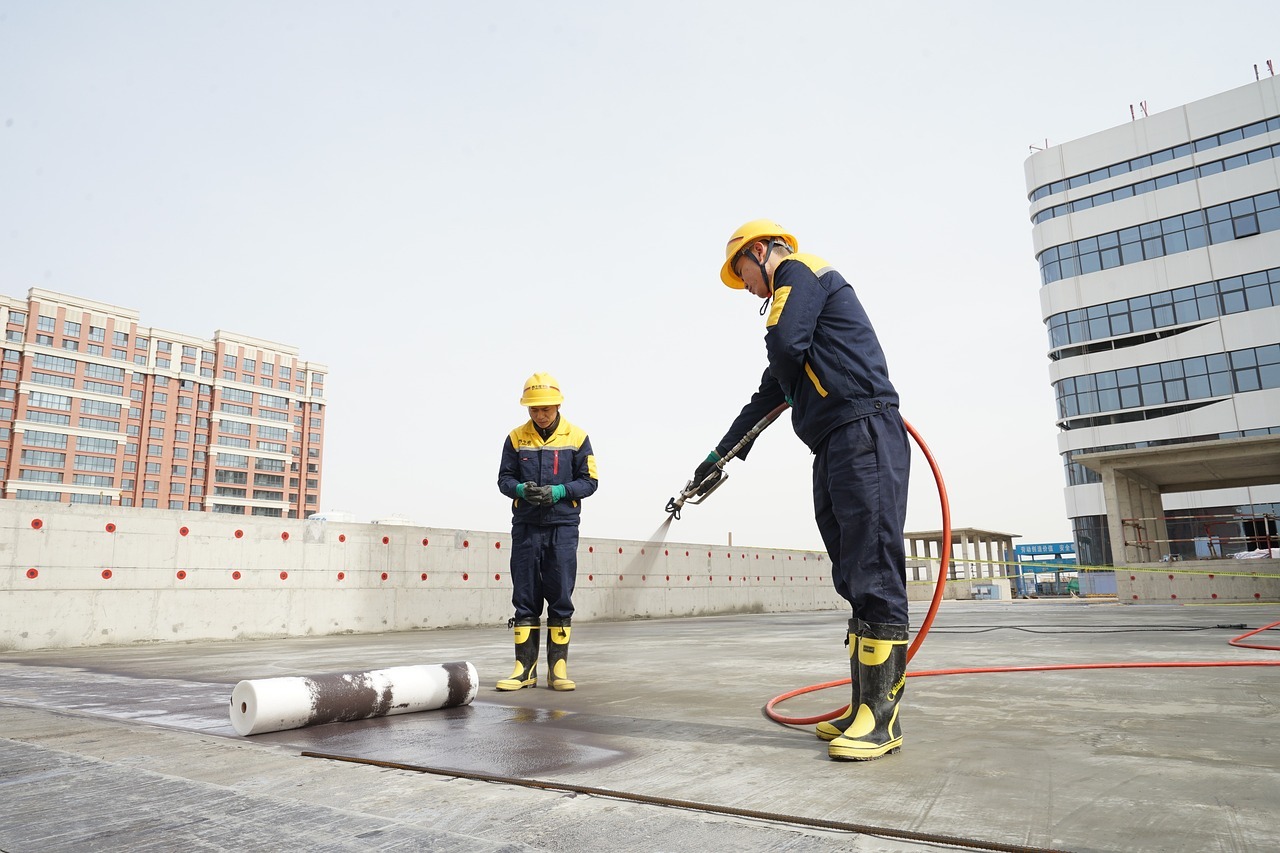
- Application of waterproof membranes
- Use of sealants and protective coatings
- Installation of drainage systems
- Grading of surrounding soil to direct water flow
Each method contributes to reducing the risk of water-related damage and maintaining structural integrity.
Environmental Considerations for Moisture Protection
In regions where seasonal weather patterns include rainfall and humidity changes, moisture management becomes even more important. Waterproofing Services in Commack, NY are often associated with addressing these environmental factors by helping structures resist water infiltration and maintain long-term stability.
Effective moisture control in such conditions typically involves a combination of sealing techniques and drainage planning to manage how water interacts with the building.
The Role of Outdoor Space Planning
Outdoor areas are an extension of the property and play an important role in both functionality and visual appeal. Well-planned landscapes can improve usability while also supporting environmental balance.
Key Objectives of Outdoor Design
- Creating organized and functional spaces
- Managing soil stability and erosion
- Enhancing visual consistency
- Supporting plant growth and sustainability
Proper planning ensures that outdoor spaces complement the structure rather than create additional risks.
Components of Effective Landscaping Systems
Landscaping involves a combination of natural and structural elements that work together to shape the outdoor environment.
Hardscape Elements
These include patios, walkways, retaining walls, and other non-living features that define space and improve usability.
Softscape Elements
Plants, grass, shrubs, and trees contribute to aesthetics and environmental balance.
Water Management Systems
Irrigation and drainage systems help maintain proper moisture levels while preventing water accumulation in unwanted areas.
Landscaping and Its Impact on Drainage
Landscaping plays a direct role in how water moves across a property. Poorly designed outdoor spaces can lead to water pooling near the foundation, increasing the risk of structural damage.
Effective landscaping helps:
- Direct water away from the building
- Reduce soil erosion
- Maintain balanced moisture levels
- Support overall drainage efficiency
This connection highlights the importance of integrating landscaping with structural planning.
Environmental Perspective on Outdoor Planning
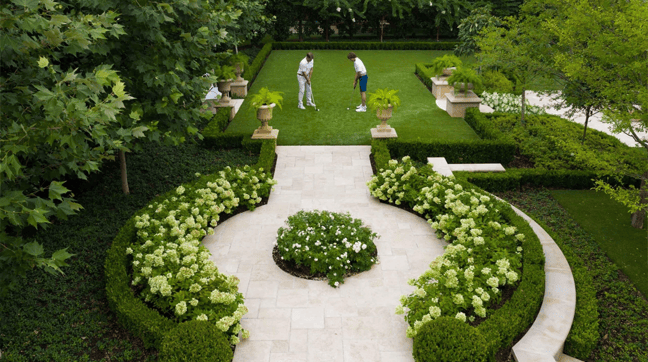
In areas influenced by soil conditions and seasonal weather variations, Landscaping Services in Commack, NY are often associated with creating outdoor environments that adapt to these factors. Proper design ensures that water is managed effectively while maintaining soil stability and plant health.
Such approaches contribute to both functional performance and long-term sustainability of outdoor spaces.
Seasonal Maintenance for Long-Term Performance
Both moisture control systems and landscaping require ongoing attention throughout the year.
During Warmer Months
- Inspect for signs of moisture intrusion
- Maintain plants and irrigation systems
- Monitor drainage after rainfall
During Colder Months
- Clear debris from drainage areas
- Prepare surfaces for temperature changes
- Check for potential water accumulation
Regular maintenance helps prevent small issues from developing into larger problems.
Benefits of an Integrated Approach
Combining structural protection with effective outdoor planning offers several long-term advantages:
- Improved durability of building materials
- Reduced risk of water-related damage
- Enhanced outdoor usability
- Better overall property condition
These benefits demonstrate the value of addressing both aspects together rather than separately.
Long-Term Property Performance and Stability
A property’s long-term performance depends on how well it is maintained over time. Moisture control protects the structure from internal damage, while landscaping ensures that external conditions do not negatively impact the building.
By focusing on both areas, property owners can create a balanced system that supports stability, functionality, and durability.
Conclusion
Maintaining a property requires a comprehensive approach that includes both protecting the structure and managing the surrounding environment. Moisture control systems help prevent water intrusion and preserve structural integrity, while landscaping enhances usability and environmental balance.
Understanding how these elements work together allows for more effective property management and long-term performance. Consistent maintenance and attention to environmental factors remain key to ensuring that both the structure and outdoor spaces continue to function efficiently over time.