Roof systems are designed to provide continuous protection against environmental elements, yet they are often one of the most overlooked parts of a building when it comes to maintenance. Small signs of damage—such as minor leaks, loose materials, or surface wear—may not seem urgent, but they can indicate deeper underlying issues.
When roof damage is ignored, the effects are rarely immediate. Instead, problems develop gradually, often going unnoticed until they reach a stage where repairs become significantly more complex. Understanding how this progression occurs helps highlight why timely attention is essential.
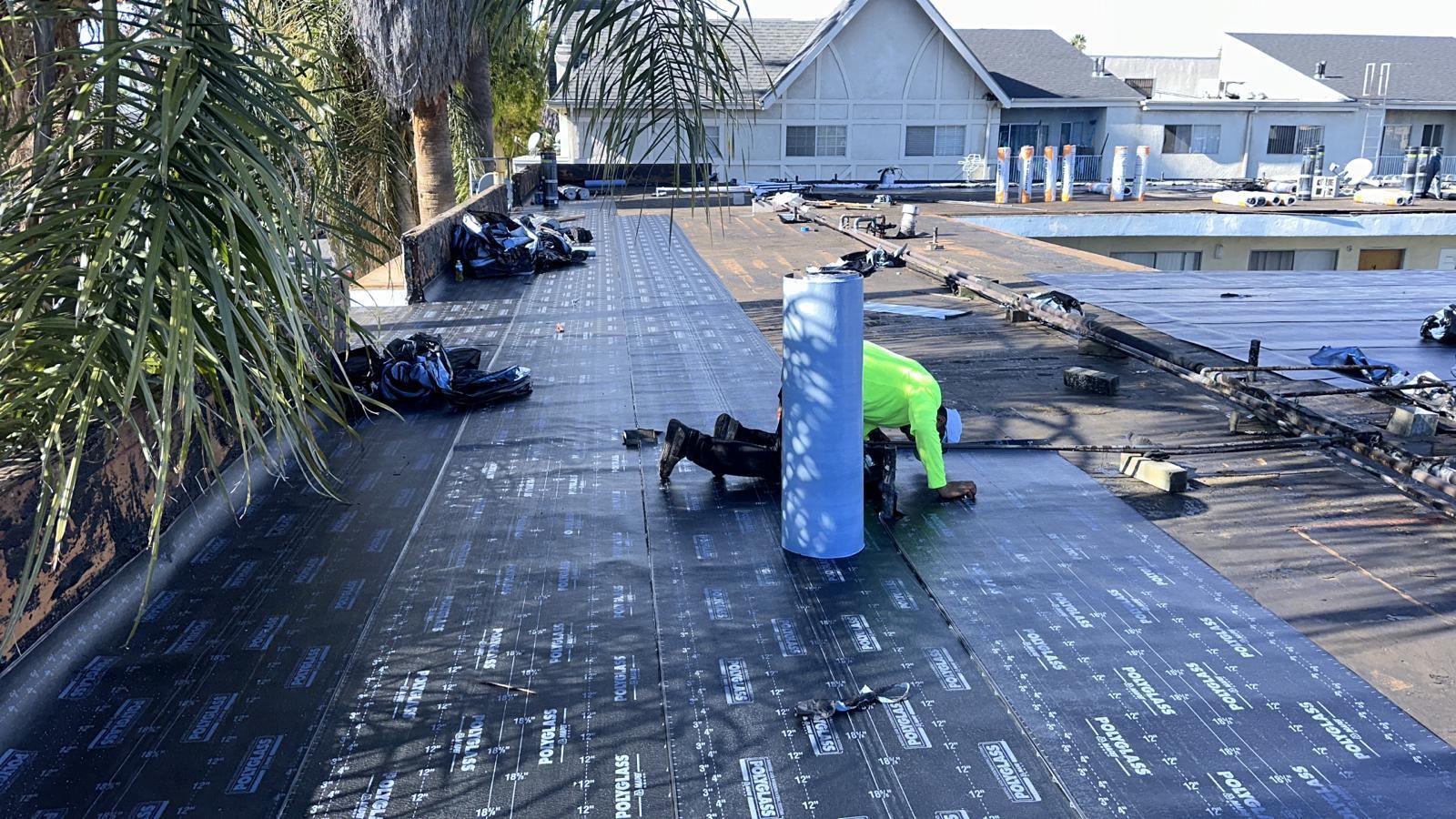
The Hidden Nature of Roofing Problems
Unlike many other parts of a building, roofing systems are not always visible or easily accessible. This makes it difficult to detect early signs of damage without regular inspections.
Why Issues Go Unnoticed
- Damage often begins beneath the surface
- Leaks may not appear immediately inside the building
- Minor exterior issues can seem harmless
- Weather exposure masks gradual deterioration
Because of this, roofing problems tend to develop quietly, becoming more severe over time without clear warning signs.
Early Warning Signs That Are Often Ignored
Roof damage rarely happens all at once. It typically begins with small, manageable issues that are easy to overlook.
Common Early Indicators
- Slight discoloration on ceilings
- Small cracks or gaps in roofing materials
- Loose or missing shingles
- Minor water stains after rainfall
These signs may appear insignificant, but they often signal the beginning of a larger problem that requires attention.
How Damage Spreads Across Roofing Systems
Roofing systems consist of multiple layers that work together to provide protection. When one layer fails, it can affect the entire structure.
Step-by-Step Progression
- Surface damage exposes underlying materials
- Moisture enters through vulnerable areas
- Insulation begins to absorb water
- Structural components weaken over time
This chain reaction demonstrates how a single issue can gradually impact multiple parts of the roofing system.
Moisture Intrusion and Its Expanding Impact
Water intrusion is one of the most common consequences of delayed roof maintenance. Once moisture enters the structure, it can spread beyond the original point of entry.
Areas Commonly Affected
- Attic spaces
- Wall cavities
- Insulation layers
- Ceiling surfaces
Moisture does not remain confined; it moves through materials, often causing damage in areas that are not directly connected to the initial leak.
Structural Weakening Over Time
As moisture continues to affect the building, structural components begin to deteriorate. Wood, insulation, and support systems are particularly vulnerable to prolonged exposure.
Effects on Structural Elements
- Wood rot in beams and rafters
- Warping of roofing materials
- Reduced load-bearing capacity
- Increased risk of structural instability
These changes may occur gradually, making them difficult to detect until significant damage has already taken place.
The Financial Impact of Delayed Repairs
One of the most significant consequences of ignoring roof damage is the increase in repair costs. What starts as a minor issue can evolve into a complex problem requiring extensive work.
Cost Progression Over Time
Initial Stage
- Minor repairs such as sealing or patching
- Minimal labor and material costs
Intermediate Stage
- Replacement of damaged sections
- Increased labor and material requirements
Advanced Stage
- Structural repairs and interior restoration
- Higher overall project complexity
Final Stage
- Full roof replacement
- Maximum cost and time investment
This progression illustrates how delays can significantly increase financial burden.
Interior Damage and Secondary Issues
As roofing problems worsen, they begin to affect the interior of the building. Water infiltration can damage surfaces and materials inside the structure.
Common Interior Effects
- Peeling paint and damaged drywall
- Sagging ceilings
- Compromised insulation
- Damage to flooring and furnishings
These issues often require additional repairs, extending beyond the roof itself.
Impact on Indoor Environment
Roof damage can also influence indoor environmental conditions. Moisture buildup creates conditions that affect both comfort and air quality.
Environmental Concerns
- Increased humidity levels
- Mold and mildew growth
- Reduced air quality
- Unpleasant odors
Maintaining a dry and stable environment is essential for overall building performance.
Energy Efficiency Decline
A properly functioning roof plays a key role in regulating indoor temperature. When the roof is damaged, this balance is disrupted.
Energy-Related Consequences
- Heat loss during colder months
- Increased heat gain during warmer months
- Higher energy consumption
- Reduced insulation effectiveness
These factors contribute to increased operational costs over time.
Safety Risks Associated with Roof Damage
As damage progresses, safety risks become more significant. Structural weaknesses and material deterioration can create hazardous conditions.
Potential Safety Issues
- Falling debris from damaged areas
- Weak structural support
- Slippery surfaces due to moisture
- Electrical risks from water exposure
Ensuring roof integrity is essential for maintaining a safe environment.
Long-Term Effects on Property Condition
The condition of the roof directly affects the overall state of the property. Neglected roofing issues can impact both functionality and long-term durability.
Long-Term Consequences
- Reduced structural lifespan
- Increased maintenance requirements
- Lower overall property condition
- Greater likelihood of recurring issues
Consistent maintenance helps preserve the integrity of the entire structure.
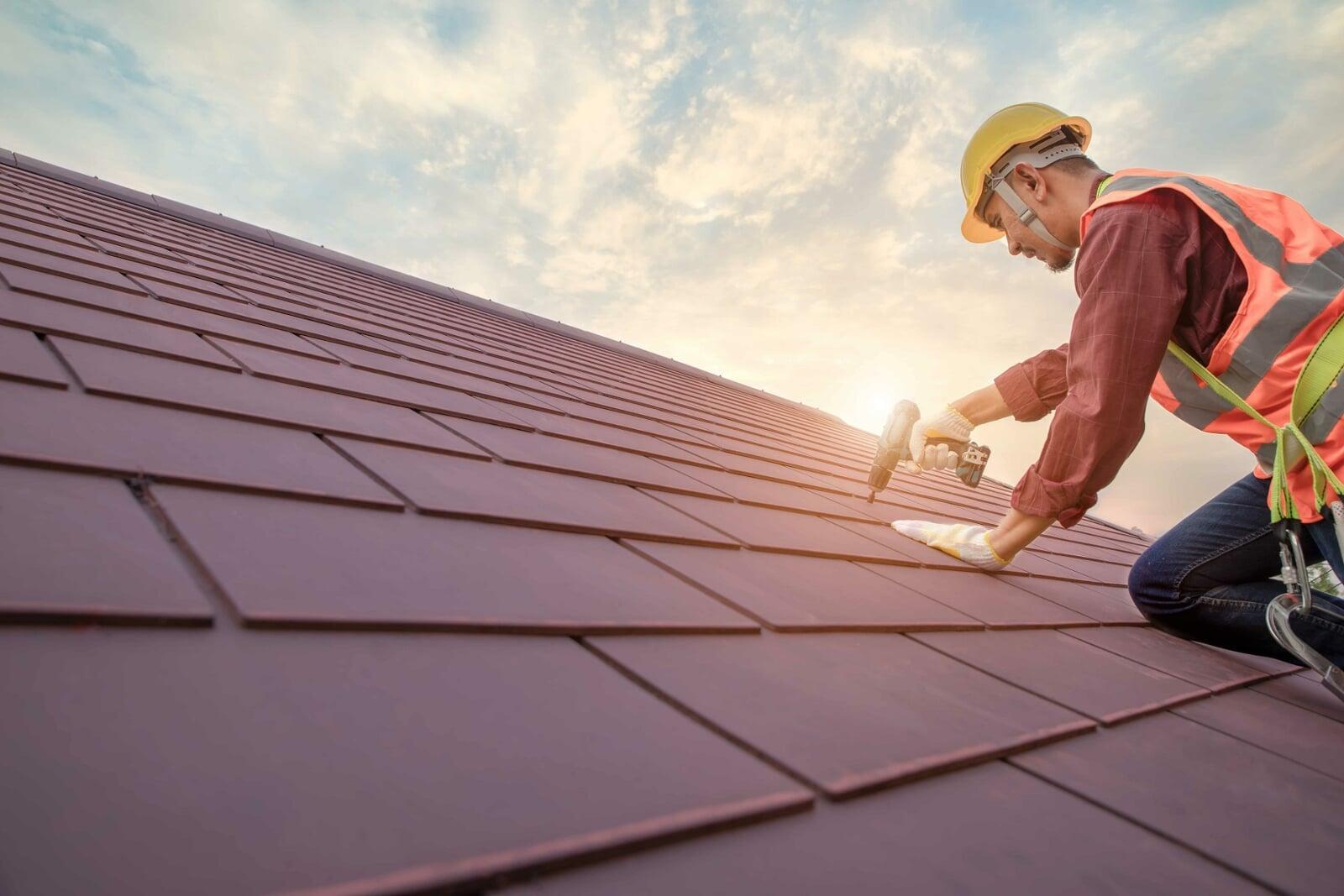
Understanding the Importance of Timely Action
Taking action at the early stages of roof damage can prevent a wide range of problems. Addressing minor issues promptly helps maintain system performance and reduces long-term risks.
Benefits of Early Repairs
- Lower repair costs
- Reduced risk of structural damage
- Improved energy efficiency
- Enhanced safety and reliability
Proactive maintenance is one of the most effective ways to manage roofing systems.
Preventive Maintenance Strategies
Preventing major roofing problems requires a consistent approach to maintenance and monitoring.
Recommended Practices
- Conduct regular inspections
- Address visible damage immediately
- Keep drainage systems clear
- Monitor for signs of moisture
These strategies help identify issues early and prevent them from escalating.
Conclusion
Roof damage rarely resolves on its own. Instead, it progresses over time, affecting multiple aspects of a building’s structure and performance. What begins as a minor issue can develop into a complex problem involving structural damage, interior repairs, and increased costs.
Understanding this progression highlights the importance of timely maintenance and proactive care. By addressing roofing issues early, property owners can protect their structures, reduce expenses, and ensure long-term stability.